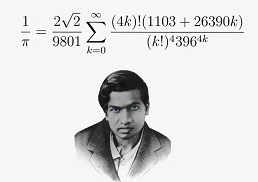
207 – Pain, Ramanujan, and $2.7 Trillion Down the Drain
The back is still an absolute tyrant. It’s been getting me down more than I’d like to admit. Simply sitting at a computer for any meaningful stretch of time feels like a negotiation with my own body. I win sometimes. Not always. I’ve been fighting it, but honestly, some days it fights back harder. One of the more insidious effects of prolonged discomfort is the way it quietly erodes motivation — and for someone like me who has a fairly long list of things they want to learn and do, that is genuinely frustrating.
The Thai is progressing. Painfully slowly — which, given the context of my back, feels entirely appropriate. 😊 But I am finally seeing movement, which after the months I’ve put into it, is encouraging. I can read more rapidly and more importantly, the tones are starting to become internalized. Small wins.
Got my 10 year visa for Thailand. This is the final step in a very long journey that started in 2017. 💕👍😅
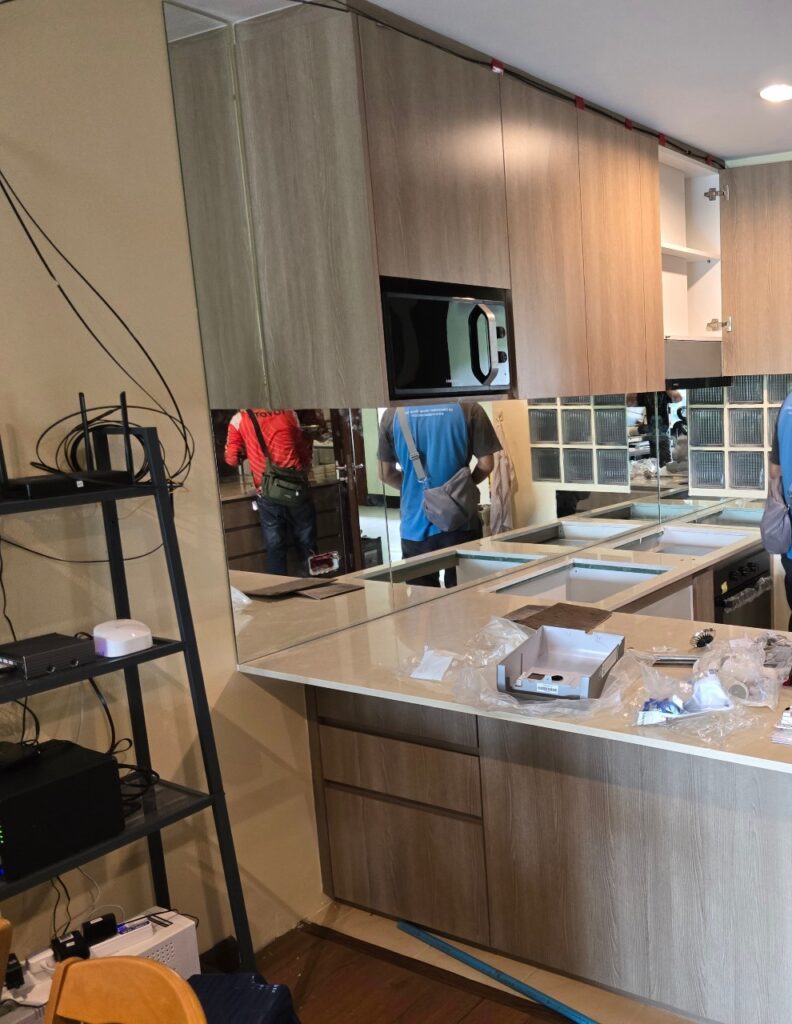
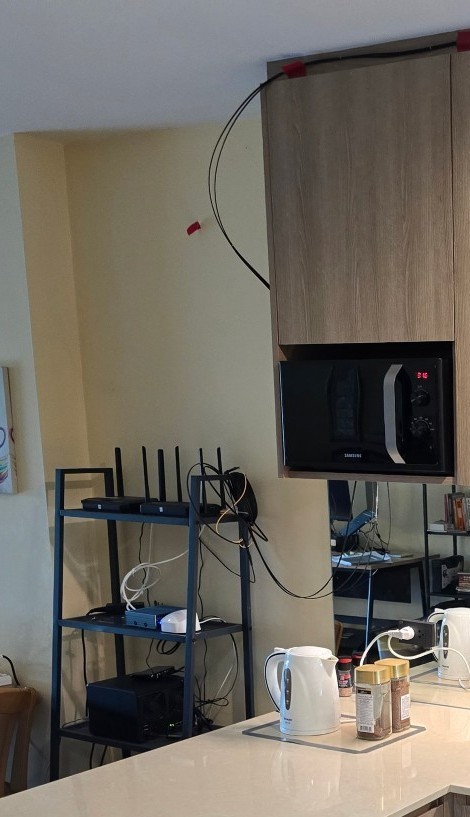
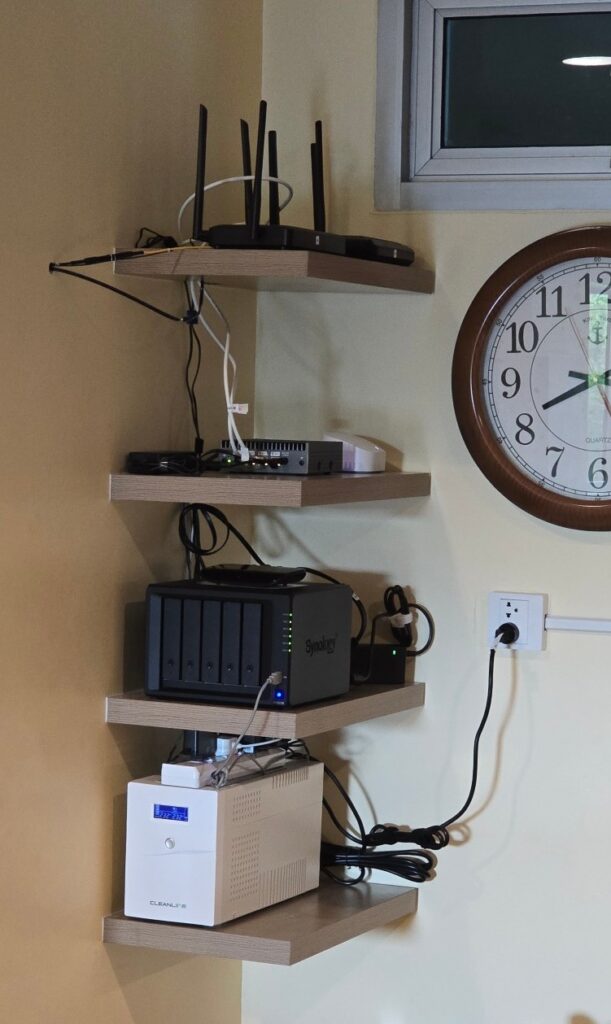
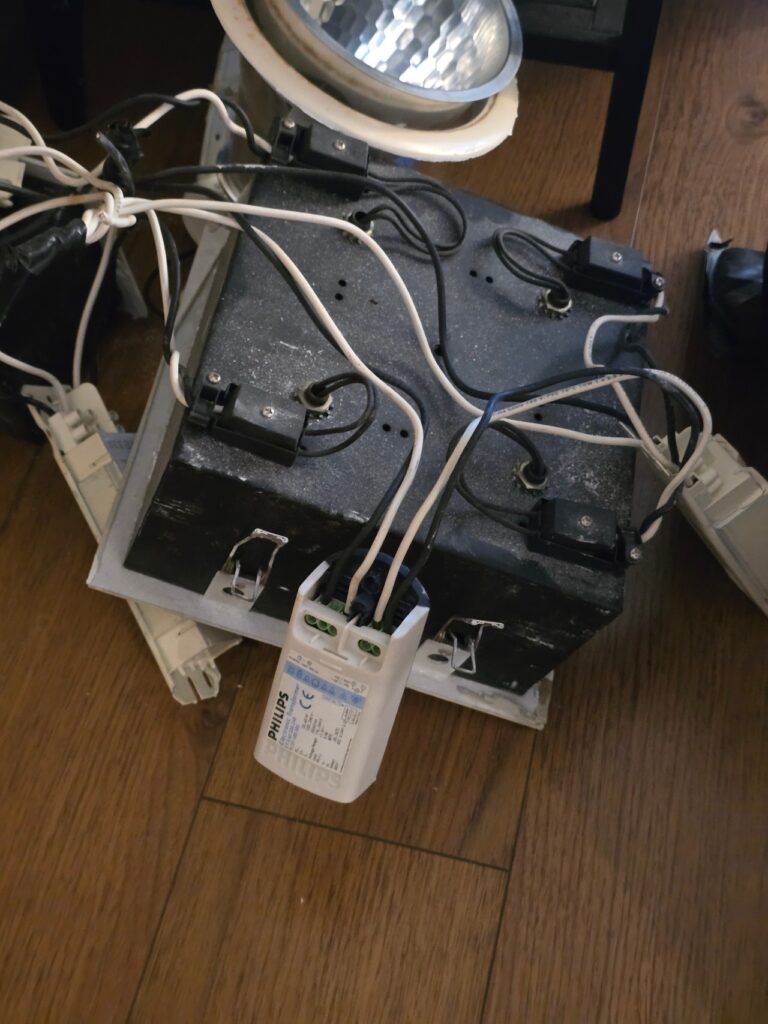
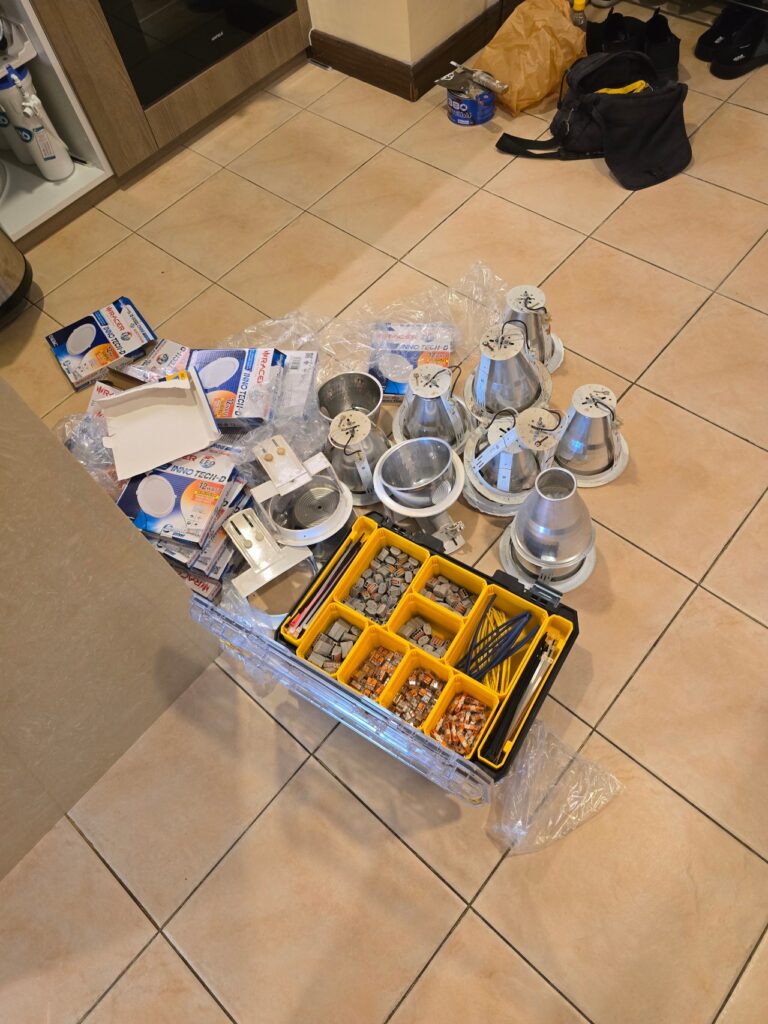
On a much happier note: the cabinet remodel in the condo is finally done. New and better cabinets. A real space for my IT equipment. New LED lighting in the ceiling. I cannot overstate how much this has changed the feel of the space. Clean. Uniform. Exactly what I wanted. It’s one of those things where you live with the old version so long you forget what bothered you about it, and then the new version arrives and you think: why did I wait this long? Makes me genuinely happy every time I look at it.





I’ve been spending quite a bit of time working with a tool called Cowork in combination with Obsidian. For those who don’t know, Obsidian is a personal knowledge management application — essentially a place to store notes, ideas, and files in a way that’s interconnected and searchable. My Obsidian vault and the files on my hard drives had, over the years, become a spectacular mess. Thousands of files in various states of organization, duplication, and general chaos. Cowork has been instrumental in cleaning all of that up. I have processed thousands of files to the point where they are now actually useful to me. I cannot recommend this workflow enough if you’re someone who accumulates information and struggles to keep it organized. Just yesterday I went through years of saved MRIs, X-Rays, Ultrasounds and other imaging. It is now organized neatly by year and all files uniformly labeled so it is easy to know what is what. And it eliminated almost 1GB of duplicated files. It would have taken me weeks to do that if I had had the energy.
I was watching a video recently featuring mathematician Hannah Fry talking about Srinivasa Ramanujan. If you don’t know the name: Ramanujan was an Indian mathematician, born in 1887 in poverty with essentially no formal advanced training, who developed extraordinary mathematical insights essentially on his own. He was discovered by Cambridge mathematician G.H. Hardy in the years before World War I. Hardy recognized immediately that he was looking at a once-in-a-generation mind and brought him to Cambridge. Ramanujan died at 32.
It brought me to tears. It genuinely did.
How many Ramanujans are out there right now? How many are sitting in some village, or some broken school system, or some war zone, with minds that could change the world — and nobody is looking? Hardy gave a young man from Madras a chance when the entire architecture of the world said he shouldn’t bother. That act alone produced mathematics we’re still unpacking a century later.
And then I looked up how much the world spent on its militaries last year.
According to the Stockholm International Peace Research Institute (SIPRI) — which is about as authoritative a source as exists on this topic — global military expenditure reached $2.887 trillion in 2025, the 11th consecutive year of increases, bringing the global military burden to its highest level since 2009. SIPRI The year before wasn’t much better: global military spending reached $2.7 trillion in 2024, and as the UN Secretary-General pointed out, the world could eliminate extreme poverty for just under $300 billion — a fraction of what was spent on weapons. UN News
Read that again. Eliminate extreme poverty. For less than 11% of what we spent pointing guns at each other.
Redirecting even a fraction of that spending, the UN noted, could put every child in school, strengthen primary health care worldwide, expand clean energy, and protect the most vulnerable. UN News
Why can’t humanity get out of its own way? 😪
We had a Ramanujan. We didn’t save him. And we’re spending nearly $3 trillion a year making sure there are more wars that produce more graves that swallow more potential. What would that money do if redirected to medical research? Energy research? Education in the developing world? We know the answer. We just keep not doing it.
On a related theme — the nature of modern conflict and influence — I came across a very sharp piece of analysis by Vas Zayarskiy that I think is worth your time. It’s titled “War Has Changed” and it argues, convincingly, that the most significant military operations of the 21st century aren’t happening on traditional battlefields at all.
The core argument is this: beneath what looks like a populist political movement (specifically MAGA in the U.S., though the template applies more broadly) is a structured coalition with distinct infrastructure — think tanks providing policy, tech capital providing platforms, foreign influence networks providing narrative. The piece maps how these operate together, how foreign influence doesn’t need to control individual actors directly but simply has to shape the information environment that everyone in the coalition consumes. The result is a system the author describes as “antifragile” — meaning it actually gets stronger when attacked, rather than weaker, because attacks get converted into proof of persecution and group solidarity.
The proposed counter-strategy he calls “Graph Judo” — rather than frontal opposition (which just feeds the machine), use the system’s own momentum and internal contradictions to redirect it. It’s an interesting read if geopolitics and information warfare are your thing.
You can read the full piece here: https://vasily.cc/blog/war-has-changed/
That’s probably enough from me for one post. The back is reminding me it’s in charge. Stay well, everyone. As a request – If you forward this to anyone who you think might be interested in subscribing, I would appreciate it.
0 Comments